
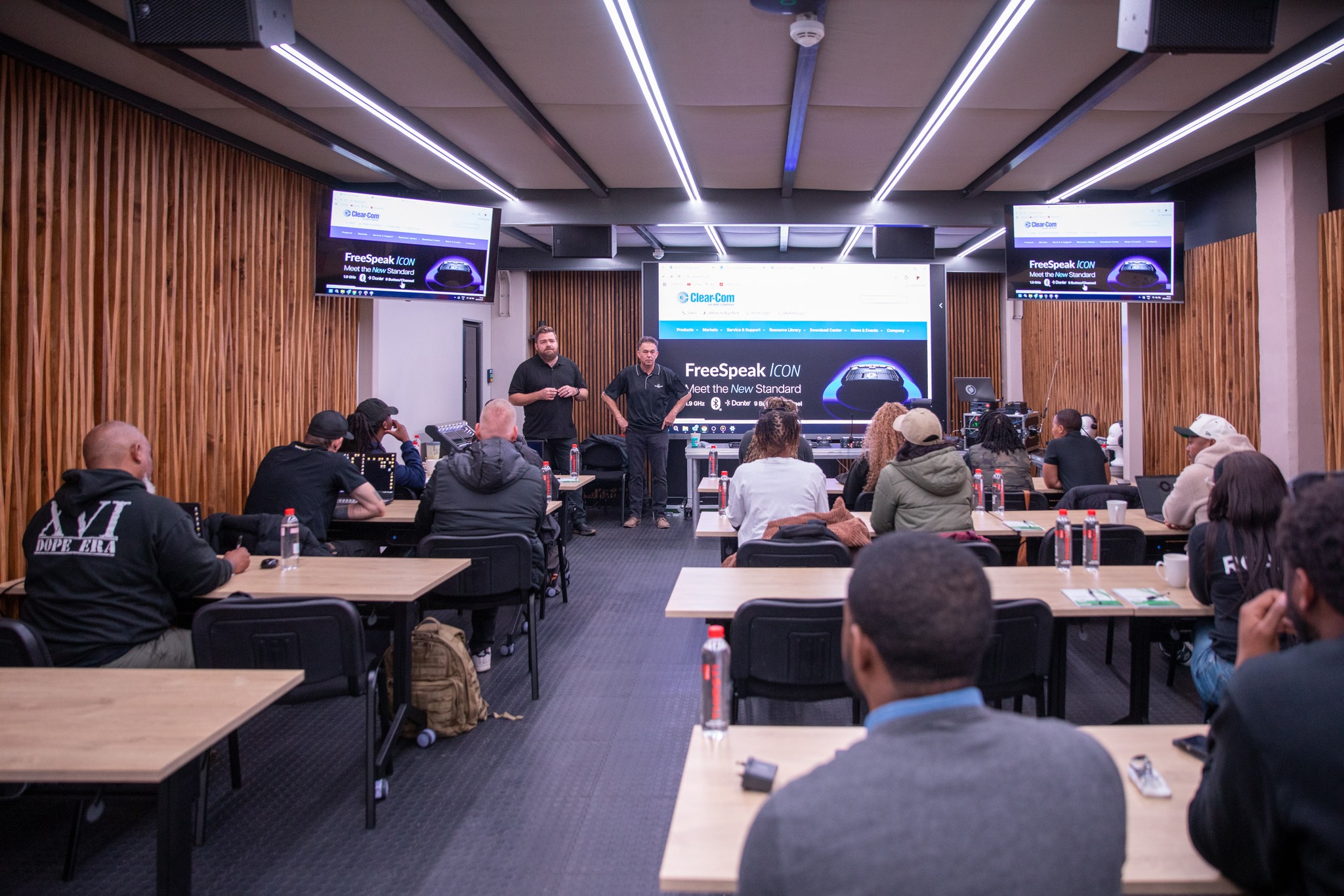
Nick Chapman from Showcom and Kyle Robson from DWR Distribution presented Clear-Com training in June at the DWR offices in Johannesburg. The two-day session covered everything from basic 2-wire communication systems to the full Clear-Com range, including ICON Beltpacks and hardware components that integrate with Arcadia—resulting in a complete multimedia communication system.
“There’s not much point having a multi-million rand show if you can’t actually run it, but it’s often left until the last minute,” explained Nick Chapman, who presented the course with a mix of experience and humour. “In some of the big international markets, it gets the thought it needs and deserves, but often it’s completely overlooked until show day. It’s a bit like food – it’s not a problem until there isn’t any. I got into comms through the RF and radio side, and now with the technology and all the different types of integration, it’s a really interesting field. On some shows it’s massive, and I love it when it’s complicated. That’s when I’m at my best—when you really have to come up with some interesting solutions.”
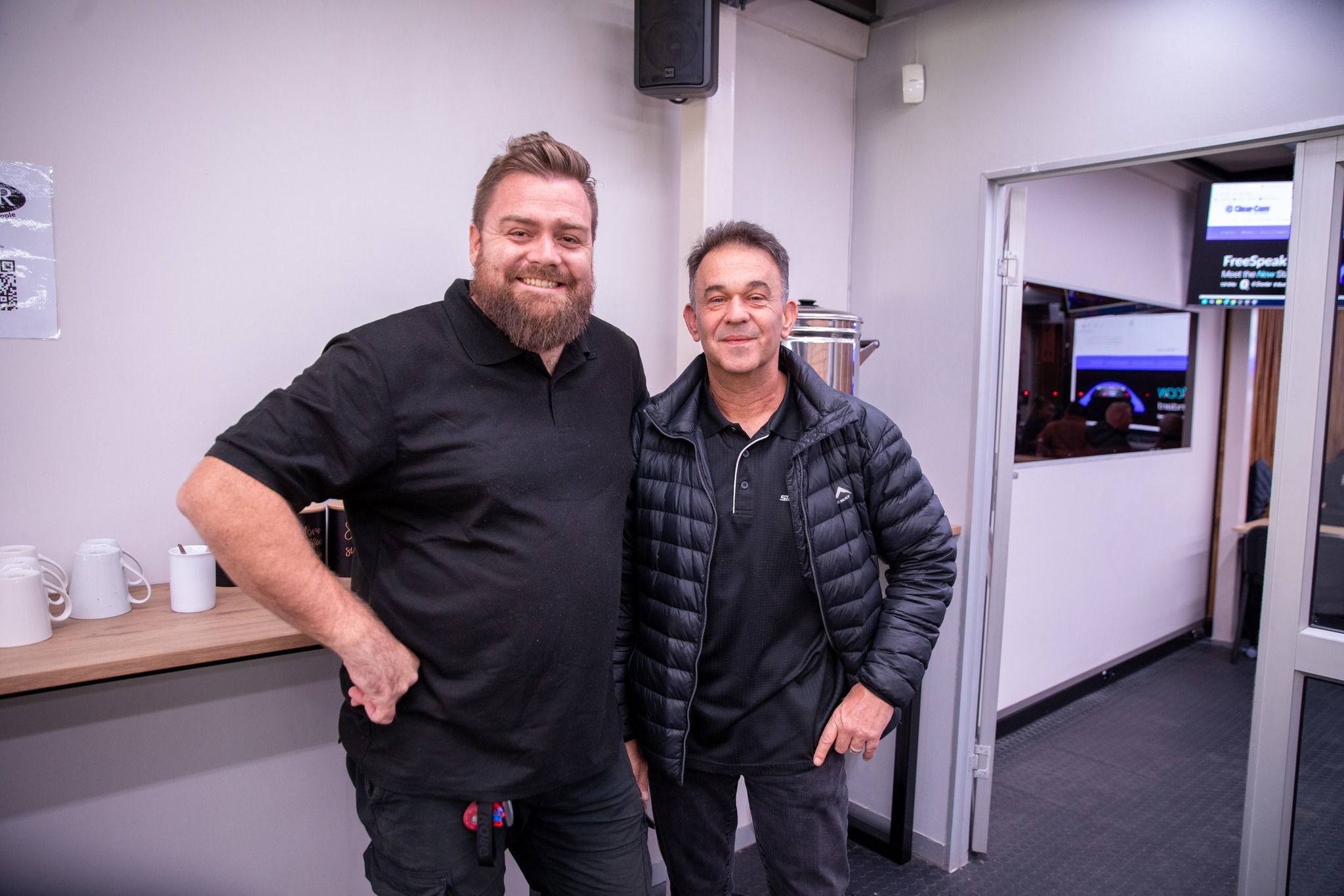
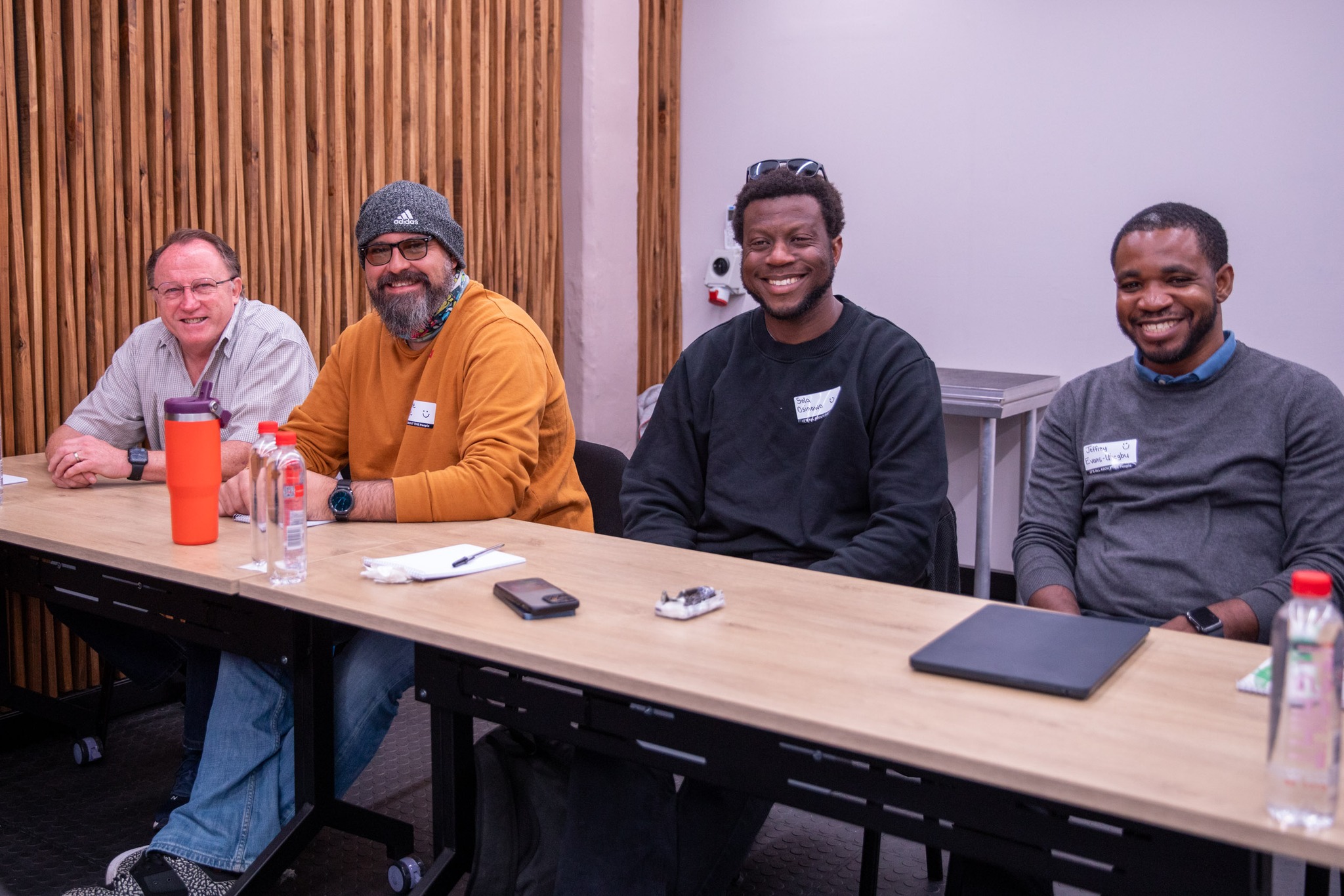
The Clear-Com Training course was attended by people with mixed levels of knowledge. The first day focused on theory, while the second day was practical, with delegates setting up their own systems and integrating into the training room. “People like to get dirty,” said Nick.
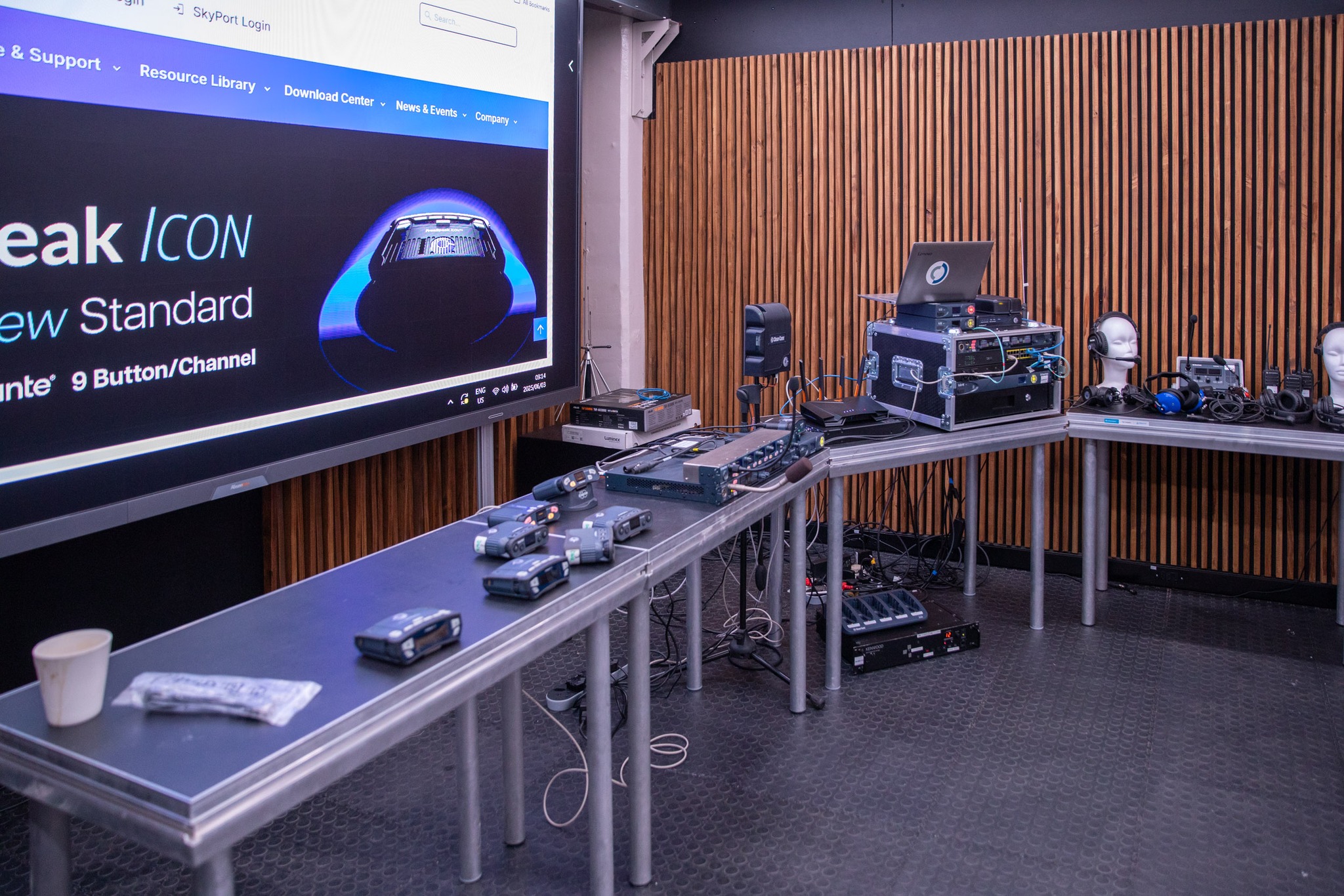
A well-run comms system is critical. “Some shows have hundreds of people on comms and multiple channels. They do not all speak as one—there is a lot involved. The comms tech sets up the matrix, the flow, and the different protocols. We don’t want everyone to be able to talk. Some people can only listen, some can only talk to one person but not to anyone else. Comms is at its best when it’s filtered, with less noise. You only want certain people to speak to certain people—you want to keep the comms as quiet as possible.”
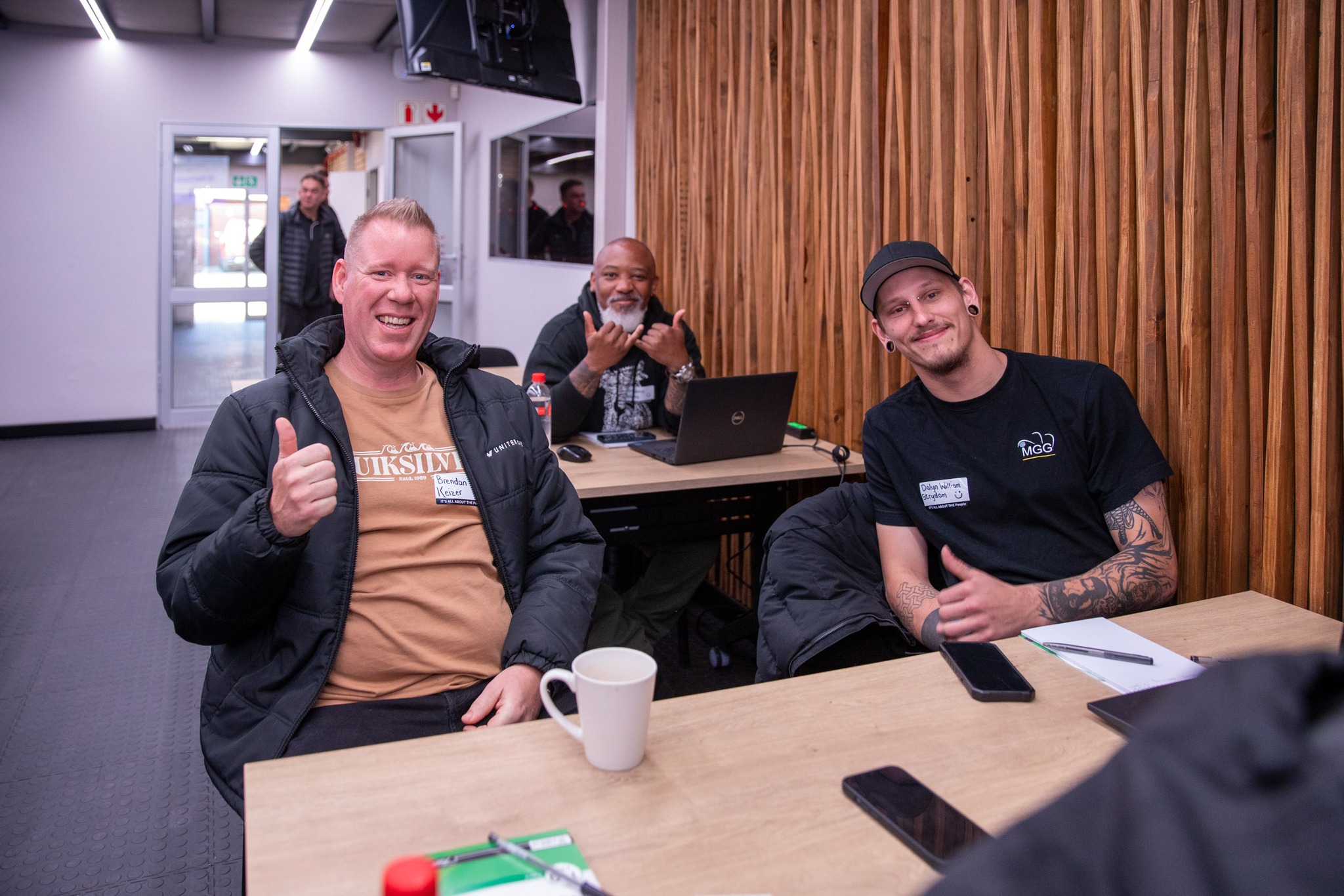
It was Kyle Robson’s first time presenting Clear-Com training. “We’ve always brought Nick in because of his expertise and experience with the product,” Kyle says. “As much as presenting was nerve-wracking, it was also incredible. I’ve learned a lot from Nick, we’ve bounced ideas off each other, and the response from the class has been great. People were excited about the products, and once everything was up and running, and the guys could interact with the system, it was smiles all round.”
You may wonder what series of events led Nick on the comms journey in the first place. “Nobody else wanted to do it,” he smiles, then adds. “Just before my 16th birthday, someone asked me to paint some speaker boxes on a Saturday afternoon. That was the biggest sound and lighting company in England at the time. It became a full-time job, and three months later, I was out on tour. That was 1985, and the band was The Stranglers. I ended up in comms because no one else wanted to do it. Comms is one of those things that’s always left to the last minute. On a lot of the big shows I was doing production for, it needed more attention to detail, so I started to invest in it. That was a long time ago.”