
Pretty Woman: The Musical in South Africa played to full houses over a two-month period, and it was no surprise why audiences flocked to see the show. It was a step back into the 1990s, when Julia Roberts, with her unforgettable smile, was still a newcomer to the big screen, a time when going to the cinema was an occasion, girls wore scrunchies in their hair, and long conversations took place on telephones with twisted cords.
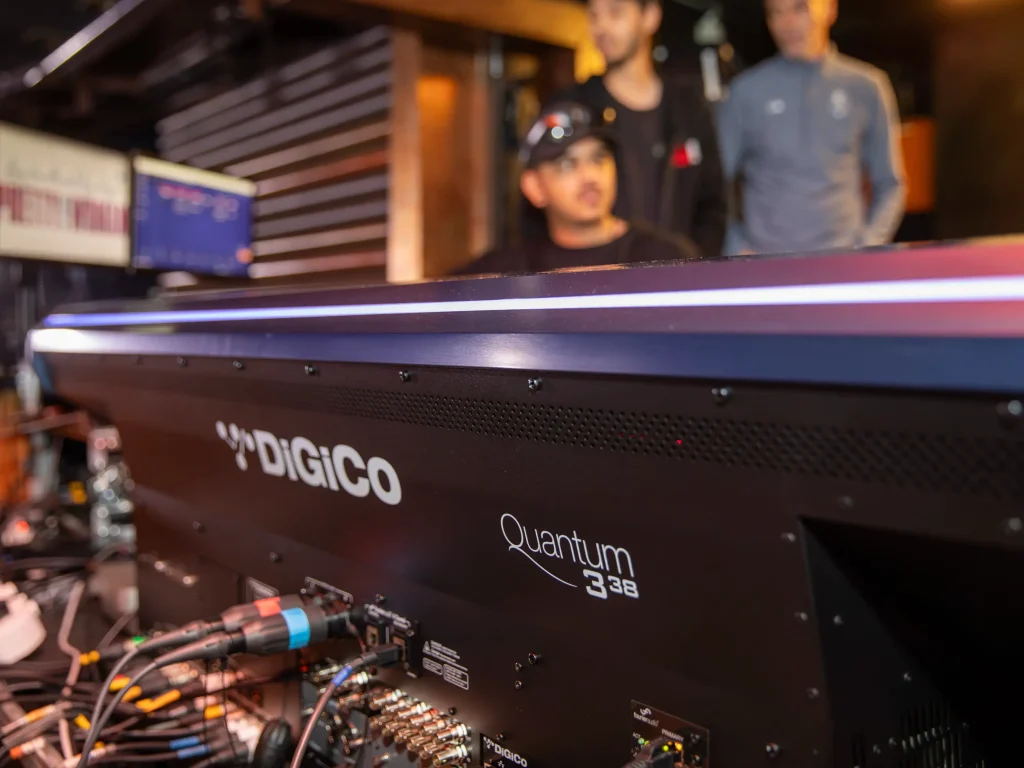
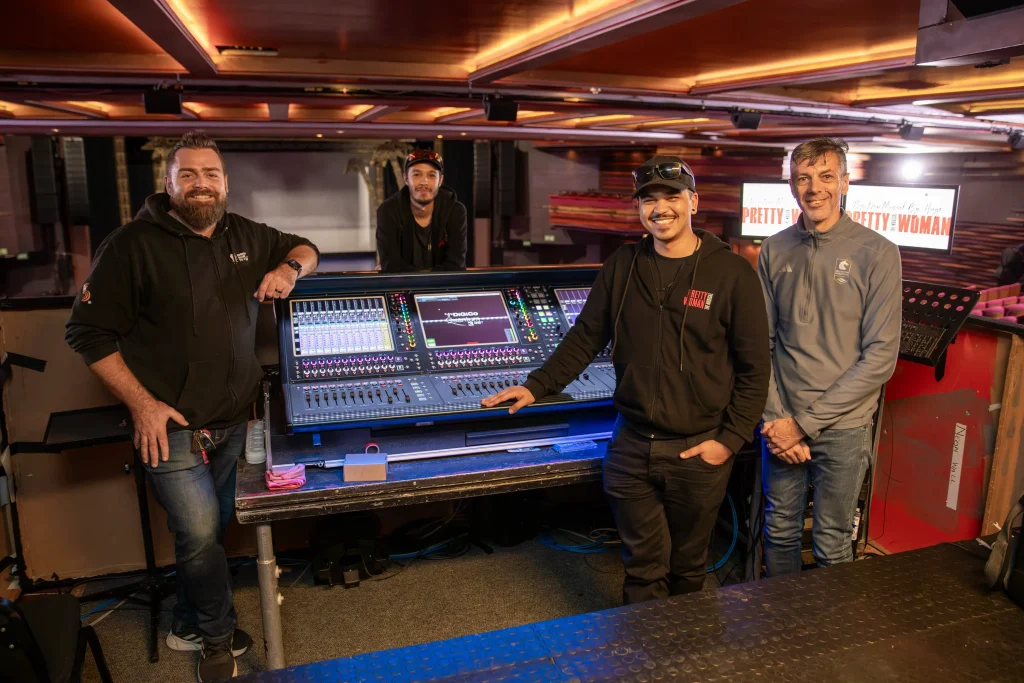
Produced by Hazel Feldman of Showtime Management, with a full South African cast, the production ran at Artscape in Cape Town from 18 March to 19 April, where audiences dressed up in hats, polka dots and red dresses, and then at the Teatro at Montecasino in Johannesburg from 24 April to 31 May, where this crowd spontaneously sang along to the music. The technical team included Alistair Kilbee of Gearhouse Splitbeam (Technical Director), David Classen of Eastern Acoustics (Head of Sound), and Kieran McGregor (Lighting Designer). Eastern Acoustics were in the mix with their brand new DiGiCo Quantum 338T console, the first in 338 Theatre version in Africa, with 2 x SD Racks, Fourier Audio Transform Engine all on HMA Opotocore, supplied by local distributor DWR Distribution.
The Theatre specific software was developed in conjunction with Andrew Bruce, the founder of renowned UK based Sound design company Autograph Sound and DiGiCo to integrate recall, Snapshot, cue stacking programming, alias controls and matrix capabilities essential for complex musicals and plays.
“It’s a fun show,” said Lamont Williams from Eastern Acoustics who was the Sound Engineer for Pretty Woman: The Musical. “The Quantum 338T really streamlined our process, and the versatility of the console is incredible. Our get-in times are usually tight, so having this console meant we weren’t held up by programming issues or anything like that. In the industry for ten years, one of the first shows I ever did was on a DiGiCo SD9, and with a variety of other consoles in between, and I don’t think I want to change after this!”
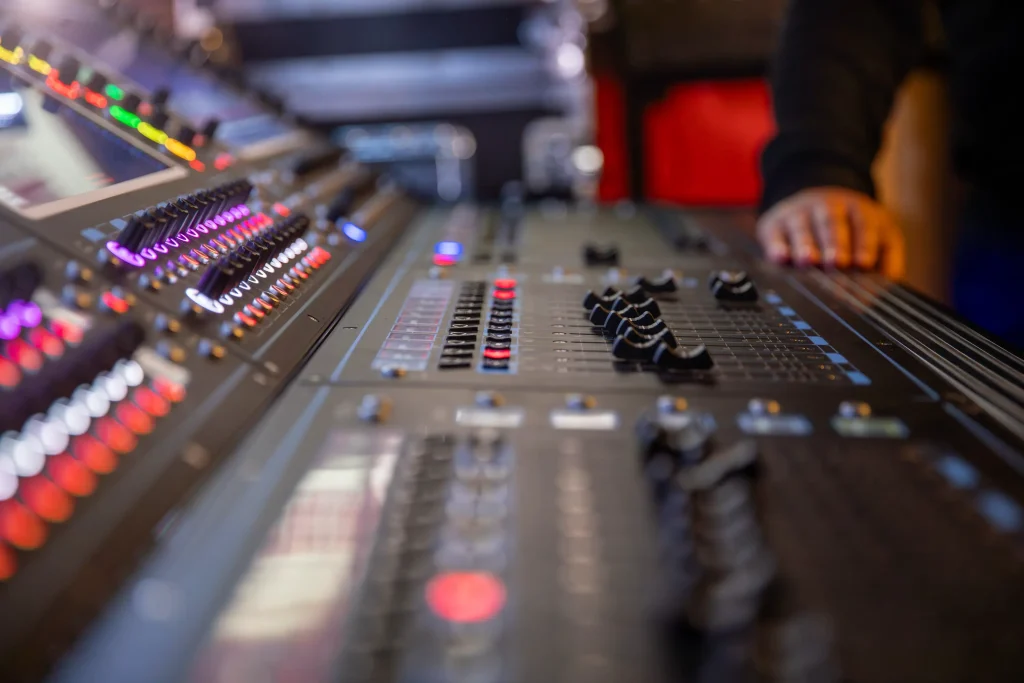
The production uses more than 60 channels, including 40 for the band and 22 for RF. Lamont explained, “There is usually very little time in theatre, because you are trying to build and create an entire show in such a short amount of time. With the theatre software it’s cutting all that time, basically in half, because programming becomes a breeze. With a lot of dancing and singing, it’s a busy production with a lot of quick changes. I must say having a console that can process all of that, especially with all the programme changes that you can do mid tech or mid rehearsal, while you’re in a run, really helped with the whole process.”
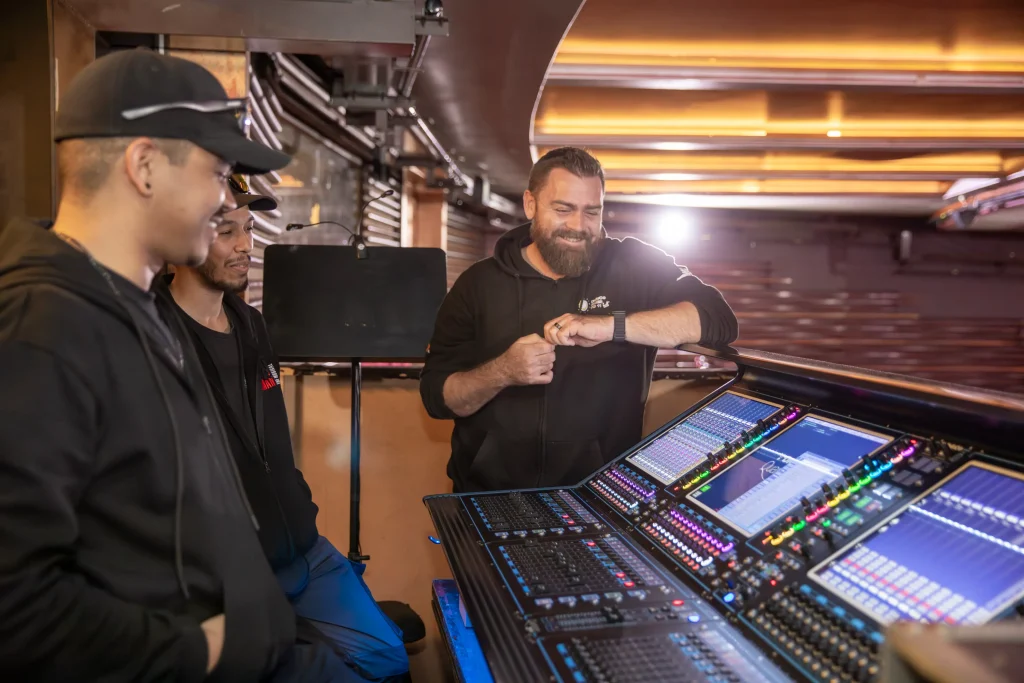
Eastern Acoustics’ Matthew Adriaan was the system tech for Pretty Woman: The Musical. “I wasn’t overly a theatre person growing up,” Matthew shared. “But the one thing that really brought me into the theatre world was the immense amount of tech that goes into getting theatre working. I’ve always been a problem solver at heart, and the problems always seem to be bigger on a theatre show. So, it has always been more fun to come onto theatre shows, figure out problems, and fix problems. It’s one of those things that I’ve always leaned into.”
He says the new DiGiCo 338T has been a great change, especially with the Optocore that DiGiCo have brought out. “In theatre every line has to have a backup, because we can’t afford to have things go down mid-show. With Optocore’s built-in redundancy, it’s a big plus for us. It means we can run one fibre loop with redundancy instead of running five or six Cat 5 Cables to a specific piece of gear because I have to have back-ups- redundancy
Fourier Audio transform engine is also a first for Eastern Acoustics. “Everything has been running great, we haven’t had any latency issues, and it’s a very seamless way of doing plugins,” said Matthew.
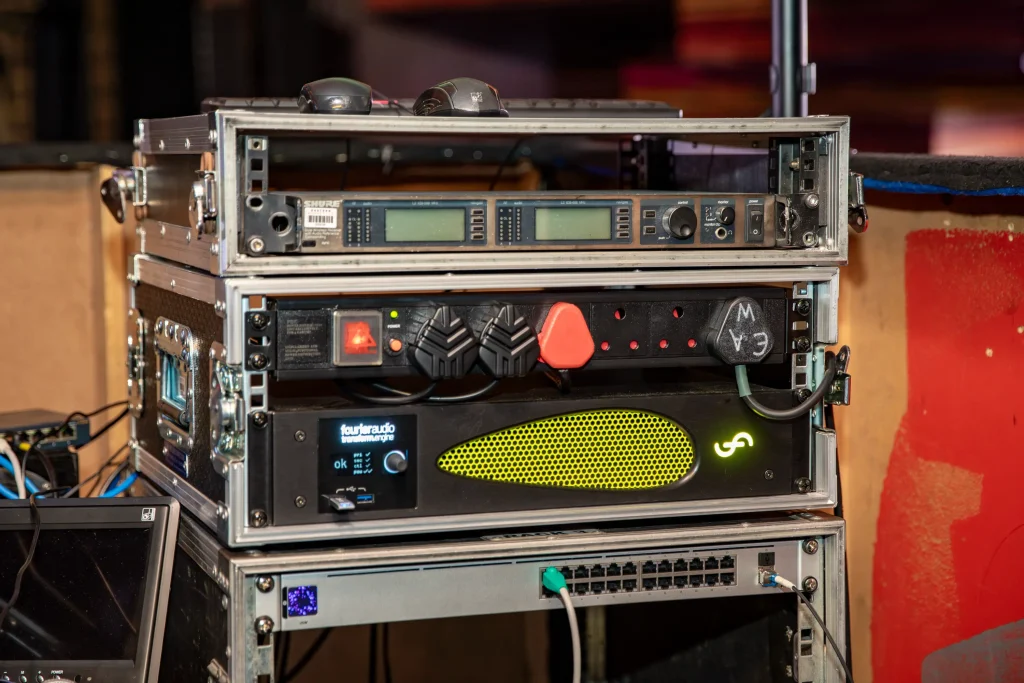
Dante was used primarily for multi-track recording of the show. As the production moved between venues, the engineers adapted the system while using the DiGiCo console for a virtual soundcheck using the multitrack, allowing them to EQ the PA and fine-tune the mix in each new venue without requiring the cast or band to be present.
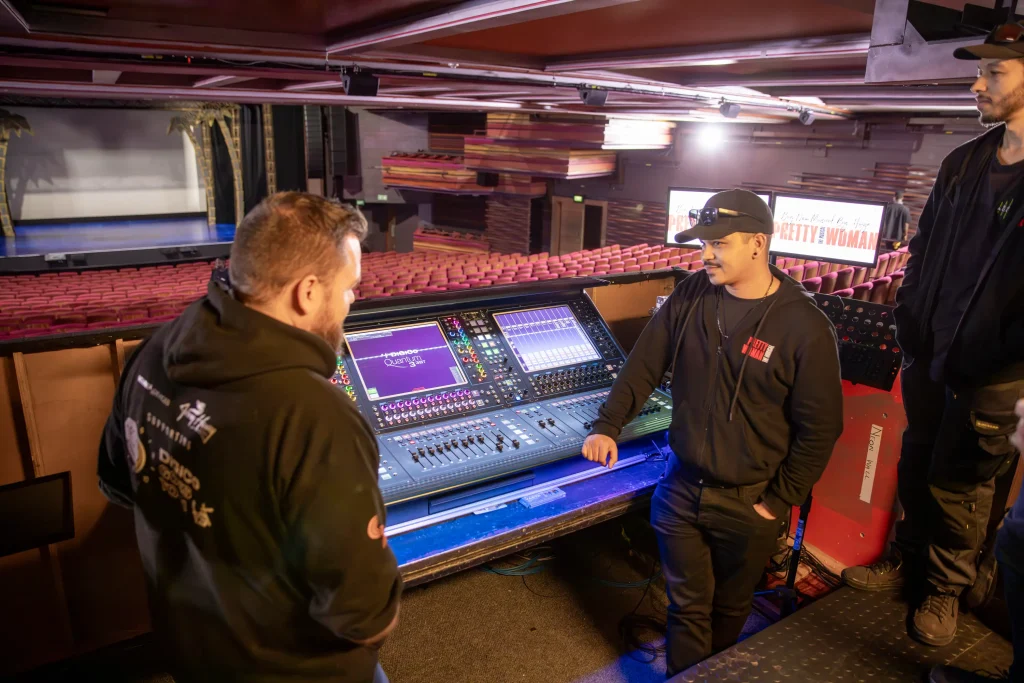
That said, the show is pretty raw, not relying on much playback or tracks. There are no vocal tracks in the show, so everything you hear is coming from the cast.
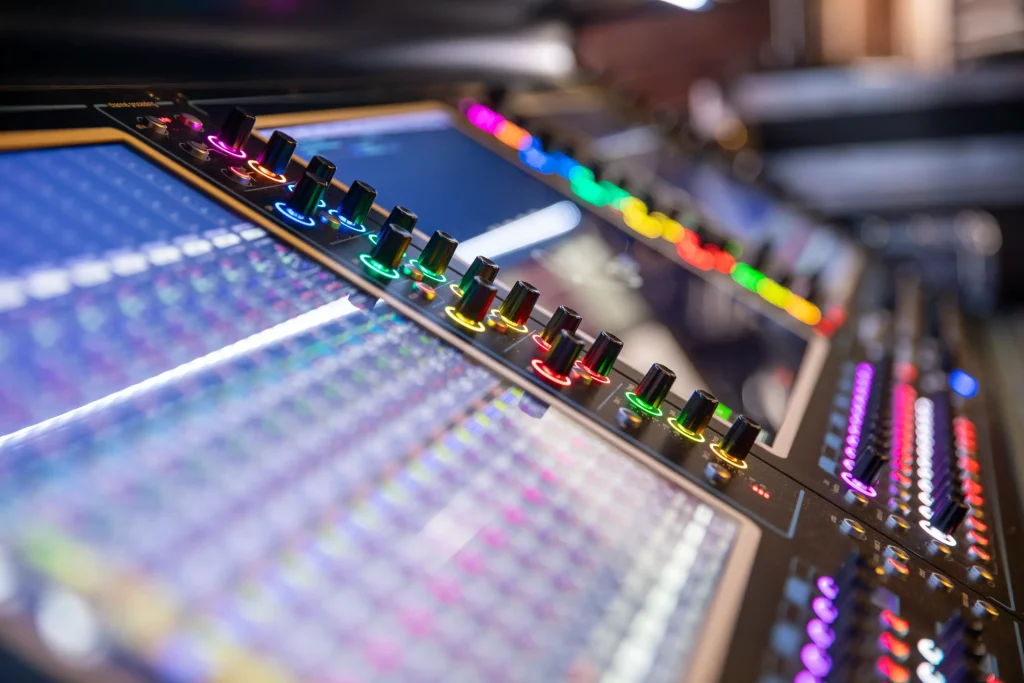
Physically, the DiGiCo 338T is large! “For most theatre shows, larger consoles help us more,” said Matthew. “Especially when it comes to our tech time, when you have an operator and a sound designer both having to work on the console at the same time. It’s nice having a big console because your operator can slowly be on one side of planning the show and doing everything while the sound designer is on the other side, no one getting into each other’s way, and the work flows better with the bigger console. It does pose a challenge in some venues where the FOH is not as sizable as places like Artscape and Teatro, but other than that, the bigger console helps us out more than hinders us.”
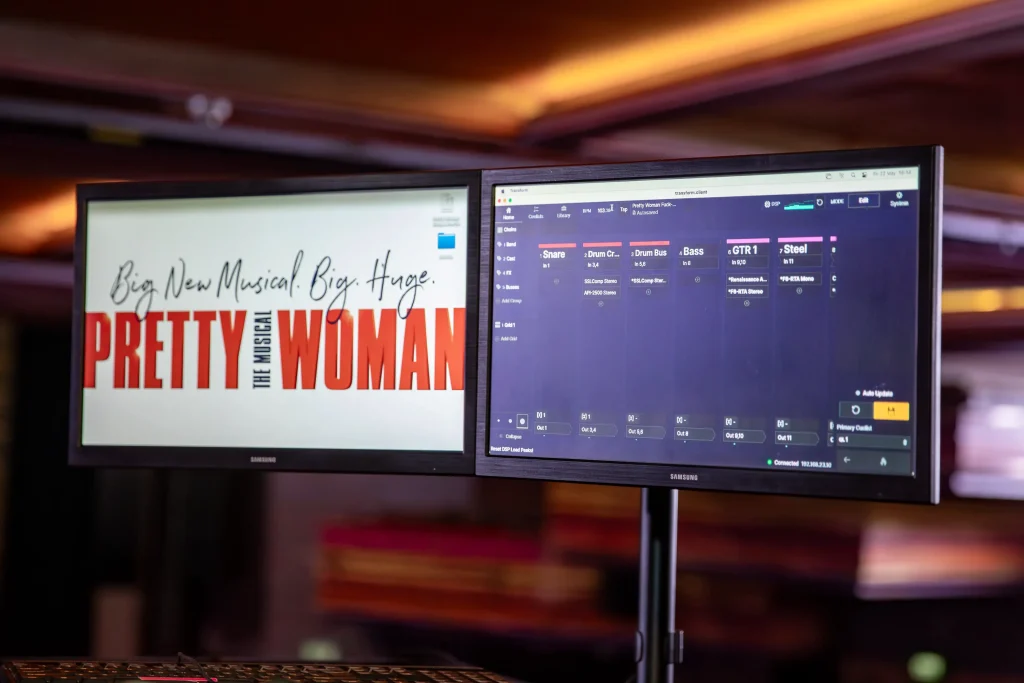
“The 338T is recognized around the world as a theatre console and was specified for Pretty Woman: The Musical,” said Kyle Robson of DWR Distribution. “Eastern Acoustics is a big DiGiCo user, and this made sense as it was something they had wanted for a long time. It all came together at the right time, and DWR delivered quickly. Aki Khan, owner of Eastern Acoustics, flew from Cape Town to Johannesburg to meet Duncan Riley and I. We had a long chat, and I think that’s something I’ve always loved about Duncan. His attitude was, ‘Let’s just make it happen,’ and that was it. The 338T really does open doors for them, and being DiGiCo users, the learning curve has been very small – they’ve cracked it!”
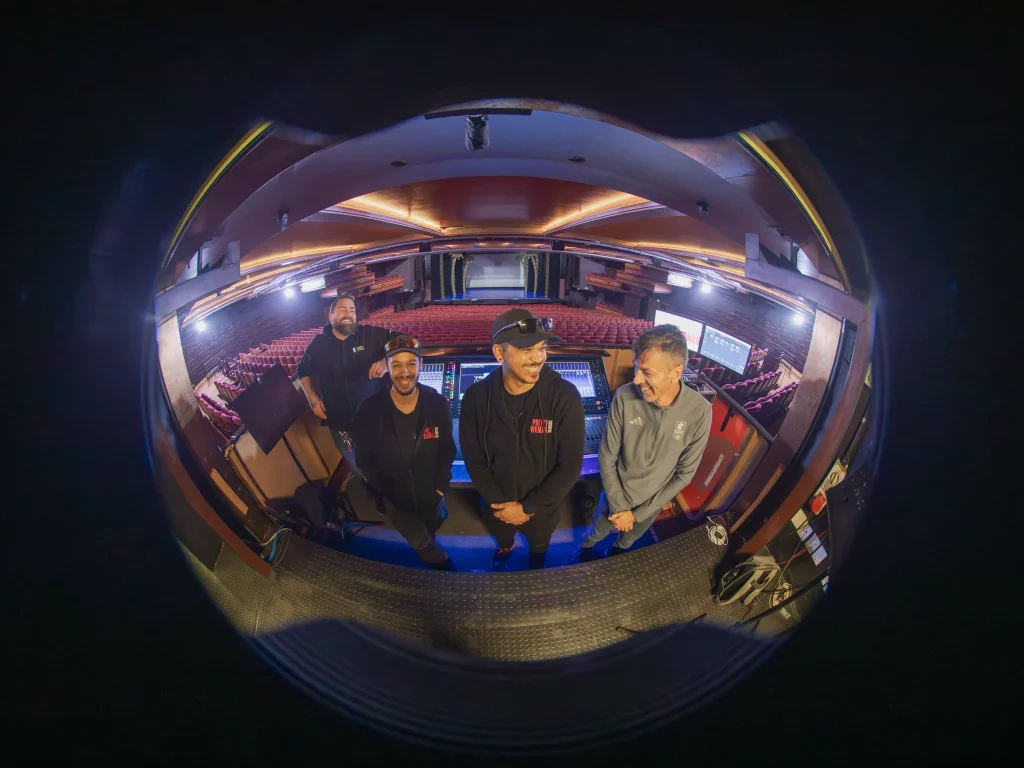
Photos courtesy Chris Duys